
THE LAST SANDWICH ON EARTH
LOGLINE
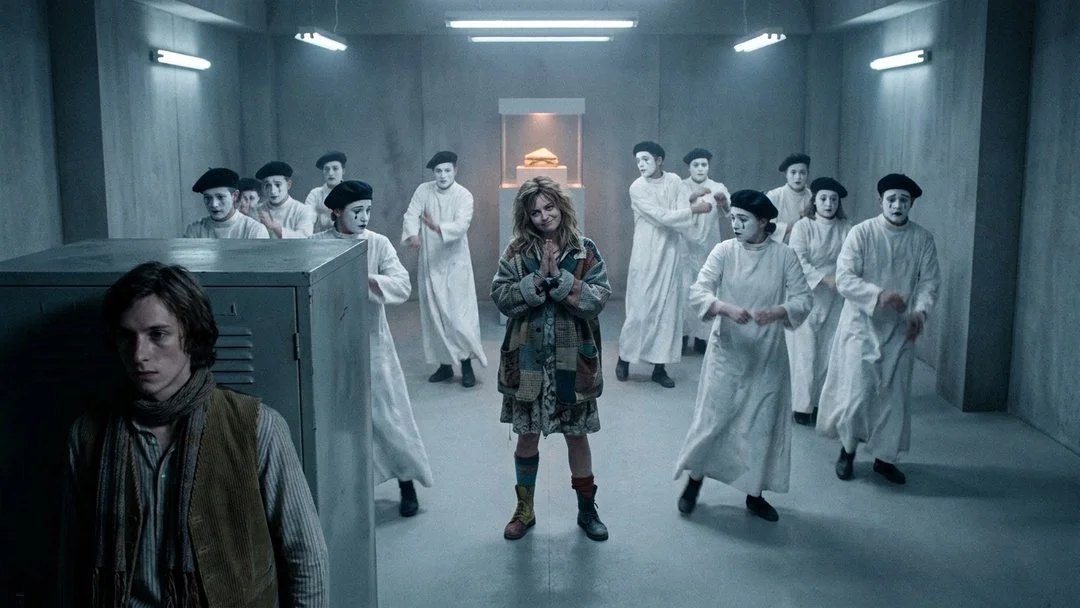
In a collapsing museum at the end of meaning, a grief-numbed guard and an intern in love with a sandwich defend the last real object on Earth from a cult of mimes determined to eat it for God.
WRITER’S NOTE
At the end of meaning, when nothing is sure anymore, what's the last real thing worth protecting?
This one is a comedy about the apocalypse of meaning, and it's the strangest thing I've written, and one of the dearest to me. In a collapsing museum at the end of the world, the last real object on Earth, a sandwich, sits glowing in a triple-glass case, guarded by an AI that keeps gently reminding everyone that the sandwich is not a metaphor. Orson, a sleep-deprived intern, has fallen quietly, hopelessly in love with it. Juno, a security guard, stopped wanting anything at all after losing someone she loved. And a cult of mimes wants to eat the sandwich, for God.
I know how that sounds. But I wrote it for a moment that felt, and still feels, uncomfortably real, a time when truth is up for grabs, when machines decide what's a metaphor and what isn't, when it's genuinely hard to agree anymore on what's real. I just pushed our present one absurd step further, to the day the last real thing is kept under glass. Underneath the comedy, though, I was writing about what I always write about: grief, and what survives it. Orson loves an object because loving an object is safe; it can't leave him the way people do. Juno has walled off wanting because wanting is how you get hurt. The whole ridiculous, beautiful machinery of the film is really about two damaged people learning, against a backdrop of total collapse, to risk loving something real and alive and impermanent, each other.
It ends with the museum in ruins and the two of them kissing in the rubble, no metaphor, no glow, just breath. The sandwich is gone. What it meant remains disputed. What it tasted like, only two people will ever know.
I wrote it because sometimes the truest things can only be approached sideways, through the absurd, and because in a world working overtime to convince us nothing is real, I wanted to make something funny about the end of everything that turned out, when I wasn't looking, to be about the small real thing you hold onto when meaning itself falls apart. It meant enough to me that I went back and wrote its sequel.
— Leonard Tachmes, M.D.
An AI concept short film for the feature screenplay THE LAST SANDWICH ON EARTH